
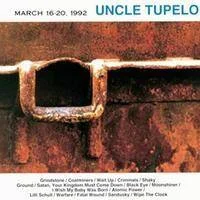
Description
While Uncle Tupelos first two albums occasionally nodded toward the quieter side of traditional country music, they were dominated by tough, guitar-driven rock n roll which stylistically split the difference between the Minutemen and Neil Young. So Uncle Tupelos third album, March 16-20, 1992, came as a bit of a surprise to their fans when it first hit the racks; almost entirely acoustic, the album stripped the groups sound to the bone and focused at once on the framework of Jay Farrar and Jeff Tweedys songwriting and the traditional folk music which had contributed to their musical (and political) world view.
Seven of the albums 15 tunes were covers, and with the exception of the Louvin Brothers much-covered Atomic Power, all were traditional Appalachian ballads, some of which dealt with the politics of rural poverty (Coalminers), while others documented the everyday tragedies of life along Americas margins (Lilli Schull, I Wish My Baby Was Born). As for the groups originals, the different songwriting approaches of Farrar and Tweedy were becoming more telling on March 16-20; while Farrars tunes were solid, somber, and resonant, Tweedy began investigating more angular melodic approaches and stylized lyrics (most notably on Black Eye and Wait Up). However, if the passion and belief which informed Uncle Tupelos music was presented in quieter and more subtle form on March 16-20, 1992, it was still very much in evidence, and this album helped to reaffirm the importance of acoustic music and folks roots in the growing alt-country movement. All Music Guide



Reviews
There are no reviews yet.